Tub-to-Shower Conversion in NJ & NYC: Cost, Permits and What to Know
What a tub-to-shower conversion involves in New Jersey and New York City: drain and valve changes, waterproofing, curb vs curbless, glass, permits, 2026 costs, timeline and resale considerations.
Short answer
A tub-to-shower conversion typically costs about $12,000–$25,000 in New Jersey and $15,000–$35,000 in New York City in 2026, and takes roughly 1½–3 weeks of construction. Done properly it is not a swap of one fixture for another: the drain and trap usually need replacing, the valve moves, and the shower needs a new waterproofed pan or mortar bed, sloped floor and glass. Because plumbing changes, expect a plumbing permit in NJ and a licensed plumber’s filing in NYC, plus building approval in co-ops and condos.
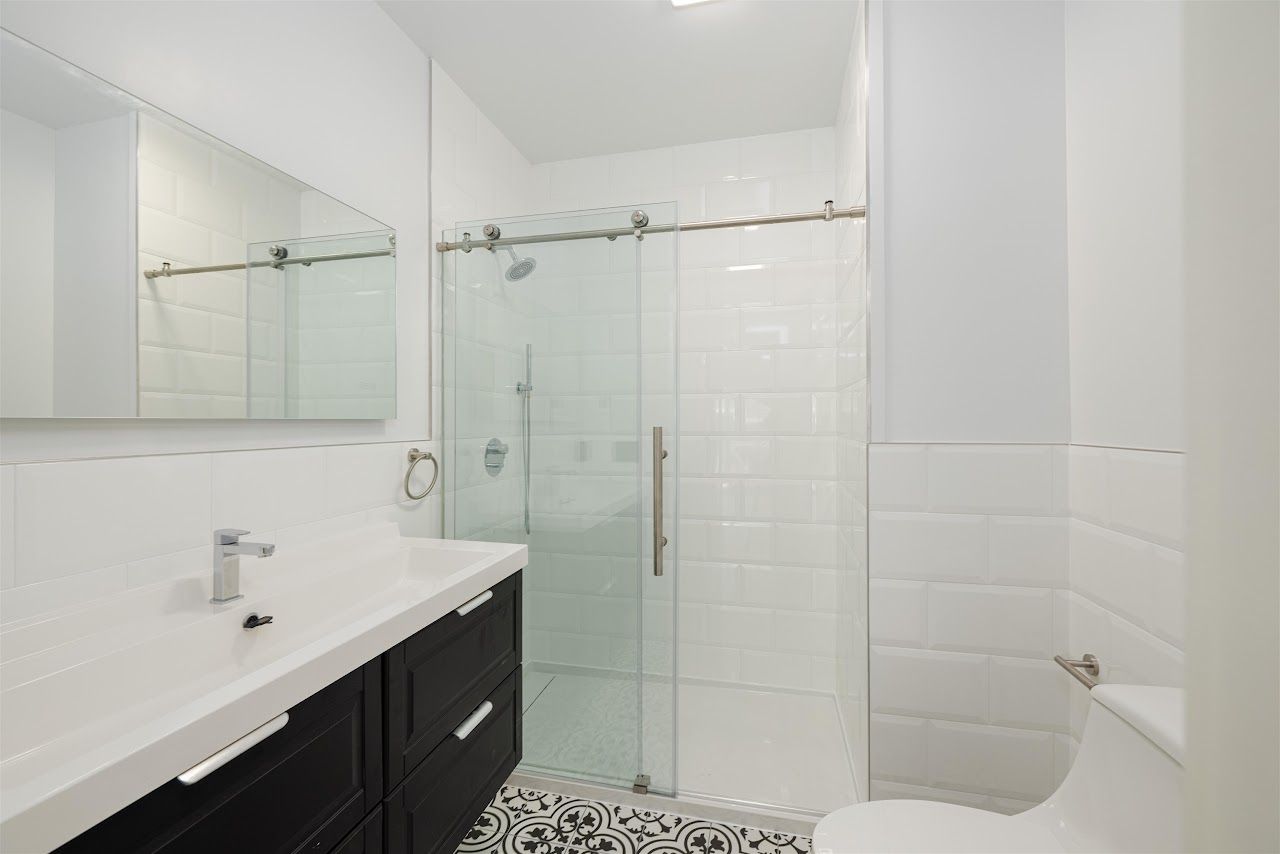
What actually changes
- Drain and trap. Showers commonly need a larger drain than tubs (often 2 inches vs 1½ inches under the plumbing codes used in the region), so the trap is usually replaced and sometimes relocated to suit the new drain position.
- Valve and outlets. The valve moves up from tub height, and many owners add a handheld shower or rain head. Pressure-balancing or thermostatic valves are required to prevent scalding.
- Shower floor. A new pan, either a mortar bed with a membrane or a foam/prefabricated base, sloped to the drain.
- Walls. Cement or foam board with a continuous waterproofing membrane taken higher than a tub surround typically was.
- Glass. A fixed panel, hinged door or slider. Custom frameless glass is measured after tile, which adds lead time.
- Floor tile. Removing the tub exposes floor that was never tiled; you rarely get to keep the old bathroom floor.
Curb, low curb or curbless?
A standard curb is the simplest and cheapest. A low curb gives a cleaner look with little extra work. A curbless shower needs the floor in the shower area recessed or the whole bathroom floor sloped, often with a linear drain; in apartments and older houses, joist depth and what’s below decide whether it’s possible. We check this at the site visit.
2026 cost ranges
| Scope | New Jersey | New York City |
|---|---|---|
| Standard conversion: curb, prefabricated or mortar pan, porcelain tile, framed or semi-frameless glass | $12,000 – $18,000 | $15,000 – $25,000 |
| Upgraded: frameless glass, niche and bench, thermostatic valve with multiple outlets, new floor tile | $18,000 – $25,000 | $25,000 – $35,000 |
| Curbless conversion or part of a full bathroom remodel | See full bathroom remodel ranges in our bathroom cost guide | |
Installed cost including labor, materials and permits; excludes co-op/condo fees. Prewar buildings and natural stone push toward the top.
Permits and approvals
- New Jersey. Replacing a tub with a similar tub in a single-family home is ordinary maintenance, but converting to a shower changes the drain and valve arrangement, which generally needs a plumbing permit and inspection. NJ permit guide.
- New York City. Plumbing work must be performed by a DOB-licensed master plumber, who handles the plumbing filing; larger bathroom renovations with multiple trades are filed as an ALT2 by an architect or engineer. Co-ops and condos usually require approval and often a flood test of the new shower pan.
Timeline
- Days 1–2: protection, tub removal, demolition of surround and floor.
- Days 3–5: drain and valve rough-in, framing for niche or bench, inspection where required.
- Days 6–9: board, pan, waterproofing membrane, 24-hour flood test.
- Days 10–14: tile, grout, fixture trim.
- 1–2 weeks later: custom glass installed after measuring the finished tile.
Should you keep a tub?
For a primary bathroom, a large walk-in shower is what most buyers want. But if this is the only bathtub in the home, think about resale to families with young children; many agents advise keeping at least one tub. In a two-bath apartment or house, converting the primary and keeping a tub in the second bath is the common compromise.
Common mistakes
- Keeping the old tub drain size or trap.
- Waterproofing only where tile meets water, not the whole wet zone.
- Too little slope, or slope toward the glass instead of the drain.
- Placing the valve where you must step into the spray to turn it on.
- Ordering glass before tile is finished.
Frequently asked questions
How much does it cost to convert a tub to a shower in NJ?
Typically $12,000–$25,000 in 2026, depending on the shower base, tile, glass and whether the floor is replaced. Curbless conversions cost more.
How much does a tub-to-shower conversion cost in NYC?
Typically $15,000–$35,000 in 2026, with co-op or condo requirements and prewar conditions pushing toward the top.
Do I need a permit to convert a tub to a shower?
Generally yes when the drain or valve arrangement changes: a plumbing permit in New Jersey, and work by a licensed master plumber with the appropriate DOB filing in New York City. Co-ops and condos also require approval.
Does removing the only bathtub hurt resale value?
It can for buyers with young children. If the home has two bathrooms, keeping a tub in one is the usual compromise.
Sources & further reading
- NYC Department of Buildings: Renovating kitchens & bathrooms
- NYC Department of Buildings: License types
- N.J.A.C. 5:23-2.7: Ordinary maintenance (like-for-like fixture replacement)
Costs are 2026 planning ranges for the New Jersey and New York City market, not quotes. Rules summarized here change and vary by building and municipality; confirm requirements with your local building department, building management or attorney before you start.