Renovating a Rental Unit in New Jersey: Permits, Lead-Safe Certification and Turnover Rules
What New Jersey landlords need to know before renovating a rental unit or two-family: permits, the lead-safe certificate law, smoke and CO certificates, multiple dwelling rules, durable finishes and 2026 costs.
Short answer
Renovating a rental in New Jersey takes the same construction permits as any home, plus landlord-specific rules. For units built before 1978, the state’s lead-safe law requires a lead-based paint inspection every three years or at tenant turnover, whichever comes first, unless you hold a valid lead-safe certificate (good for two years). One- and two-family rentals also need a municipal smoke alarm, CO alarm and extinguisher certificate before a new tenant moves in, and buildings with three or more units are registered with the state. Turnover is the best time to renovate: a rental-grade kitchen refresh typically runs $20,000 – $40,000 and a bathroom refresh $10,000 – $20,000.
Permits are the same as for any home
New Jersey’s Uniform Construction Code does not distinguish between owner-occupied and rental homes. A permit is required before you construct, alter or renovate a structure; new circuits, moved plumbing and structural changes need building, electrical and plumbing permits from your town’s construction office. Like-for-like replacements such as a new faucet, toilet or countertop on existing cabinets can qualify as ordinary maintenance. See our NJ permit guide for what is and is not covered.
The difference with rentals is scale and repetition: a landlord who renovates one unit per turnover benefits from a consistent scope and finish package, priced once and reused.
The lead-safe certificate law
Since 2022, New Jersey has required periodic lead-based paint inspections of single-family, two-family and multiple rental dwellings. The key rules, as described by the Department of Community Affairs:
- Who is covered: rental units built before 1978. Exemptions include dwellings built in 1978 or later, certain seasonal rentals, units certified lead-free, and some multiple dwellings with a long clean inspection record.
- How often: after the initial inspection, every three years or at tenant turnover, whichever is earlier. No turnover inspection is needed if you hold a valid lead-safe certificate.
- Certificate: a lead-safe certificate confirms an inspection found no lead-based paint hazards and is valid for two years.
- Who inspects: the municipality or a certified lead evaluation contractor. Depending on local blood-lead data, the inspection is visual or includes dust wipe sampling.
- If hazards are found: they must be remediated through abatement or interim controls, by appropriately certified contractors.
- Penalties: up to $1,000 per week after a 30-day cure period for continued noncompliance.
- Turnover reporting: owners report tenant turnover to the municipality and give tenants evidence of a valid certificate.
Towns implement the law through local ordinances, registration and fees, so check with your municipality’s lead or code enforcement office.
How renovation interacts with the lead law
Renovation that disturbs painted surfaces in a pre-1978 home falls under the EPA’s Renovation, Repair and Painting rule: the contractor must be an EPA-certified firm and use lead-safe work practices, containment and cleaning. Planning matters here: schedule the lead inspection after the renovation and cleanup, so the certificate reflects the finished unit. Replacing old windows, doors and painted trim during a renovation often removes the surfaces most likely to fail an inspection.
Smoke alarm, CO alarm and extinguisher certificate
Before a one- or two-family dwelling is sold, leased or changes occupancy, New Jersey requires a certificate of smoke alarm compliance from the municipality; the state’s certification form also covers carbon monoxide alarms and a portable fire extinguisher. The certificate is valid for six months. Construction officials also expect smoke and CO alarms to be installed when renovation or alteration work is done. Put alarm installation into the renovation scope so the unit passes the first time.
Three or more units: multiple dwelling rules
Buildings with three or more units are multiple dwellings under the state Hotel and Multiple Dwelling Law. They are registered with the DCA Bureau of Housing Inspection, owners recertify registration annually, and the building is inspected on a five-year cycle, by the state or by a participating municipality. Renovations should be built to pass that inspection: working smoke detection, fire-rated assemblies where required, safe egress and maintained common areas.
Tenants, timing and local rules
- Renovate at turnover when you can. Working in an occupied unit means access notices under the lease and local rules, daily cleanup and longer schedules.
- Rent control. Several Hudson County cities have rent control ordinances with their own rules on rent increases and capital improvement surcharges. Check your city’s rent leveling office before assuming a renovation can be recovered through rent.
- Registration. Landlord registration requirements vary by municipality and building size; make sure the unit is registered before you re-lease it.
- Two-families. In owner-occupied two-families, common in Jersey City, Bayonne and Union City, work on the rental side still needs permits, and shared systems such as the water service and sewer line may limit what you can add.
Rental-grade finishes that last
| Element | Durable choice | Why |
|---|---|---|
| Kitchen counters | Quartz | Stain-resistant, no sealing, easy to match later |
| Cabinets | Painted shaker in a standard color | Fronts can be replaced individually |
| Floors | Porcelain tile in wet areas; engineered wood or rigid vinyl plank elsewhere | Water and scratch resistance; acoustic underlayment for units above others |
| Bathroom walls | Porcelain tile with a waterproofing membrane | Prevents the slow leaks that damage units below |
| Fixtures | Mainstream brands with available cartridges | Faster repairs between tenants |
Standardize your finish package across units: the same tile, paint colors, fixtures and cabinet line make every future repair faster and cheaper.
Typical 2026 rental renovation budgets
| Scope | Typical NJ cost |
|---|---|
| Turnover refresh: paint, lighting, floors refinished, repairs, alarms | $6,000 – $15,000 |
| Kitchen refresh | $20,000 – $40,000 |
| Bathroom refresh | $10,000 – $20,000 |
| Full bathroom remodel | $20,000 – $40,000 |
| Gut renovation of a rental unit | Priced per unit after a site visit |
Kitchen and bathroom ranges match our New Jersey cost guides; the turnover refresh is a 2026 planning range. Lead remediation and abatement are priced separately when an inspection requires them.
How we work with landlords
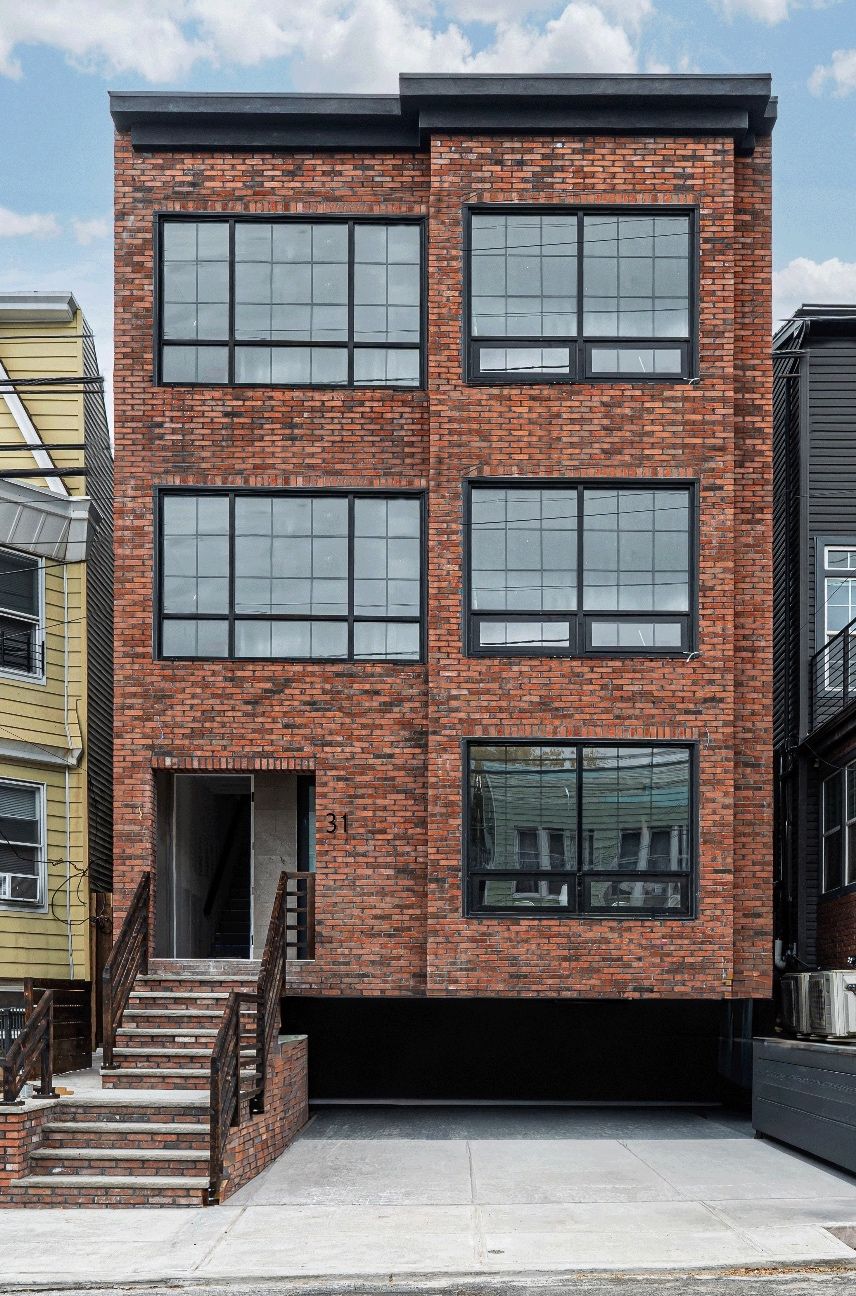
We visit the unit, note likely lead and code items, price a repeatable scope, pull the permits and schedule the work around your turnover dates, leaving time for the lead inspection and alarm certificate at the end. We are a New Jersey registered home improvement contractor (Reg. #13VH12961700), and our completed Jersey City projects include 31 and 33 Bayview. See our New Jersey renovation page and gut renovation service.
Frequently asked questions
Do I need a lead-safe certificate to rent my NJ apartment?
If the unit was built before 1978 and is not exempt, it must be inspected for lead-based paint hazards every three years or at tenant turnover, whichever comes first. A valid lead-safe certificate, good for two years, means no turnover inspection is needed.
Do I need permits to renovate a rental unit in New Jersey?
Yes, the same permits as any home: building, electrical and plumbing permits for alterations, new circuits and moved plumbing. Like-for-like replacements can count as ordinary maintenance.
When should I schedule the lead inspection if I am renovating?
After the renovation and final cleaning, so the inspection and certificate reflect the finished unit. Renovation work disturbing paint in pre-1978 homes must be done by an EPA-certified firm using lead-safe practices.
What certificate do I need before a new tenant moves into a NJ two-family?
A municipal certificate of smoke alarm compliance, with carbon monoxide alarm and fire extinguisher requirements covered on the state form, valid for six months. Your town may also have rental registration or inspection rules.
What finishes are best for a rental kitchen or bathroom?
Quartz counters, standard-color cabinets, porcelain tile over waterproofing in baths, durable flooring with acoustic underlayment, and mainstream fixtures with available parts. Standardizing across units cuts future repair costs.
Sources & further reading
- NJ DCA: Lead-based paint inspections in rental dwelling units
- NJ DCA: Lead-based paint in rental dwellings (guide)
- NJ DCA: Bureau of Housing Inspection
- NJ DCA: Smoke alarm certificate requirement
- EPA: Renovation, Repair and Painting Program
- N.J.A.C. 5:23-2.14: Construction permits, when required
Costs are 2026 planning ranges for the New Jersey and New York City market, not quotes. Rules summarized here change and vary by building and municipality; confirm requirements with your local building department, building management or attorney before you start.